







Search Results for: no good
Starting from aroma, taste, and freshness, how do specialty coffee enthusiasts judge whether a cup of coffee is excellent
What kind of cup of coffee truly deserves to be called good? We might as well start with something we are all familiar with—tea. Good tea is prized for its rich aroma, complex layers of flavor, and long, sweet finish, and the logic for judging good coffee is in fact much the same. Instant coffee, though convenient, offers only a single flat taste and can hardly rank among good coffees; the Espresso that Starbucks dark-roasts to ensure consistency is also often considered less than ideal by professionals because its burnt bitterness stands out and it lacks complexity. This article systematically sorts through the many dimensions of identifying good coffee—from the production process, green bean quality, and roasting freshness to the drinking experience—to help coffee lovers build a clearer set of standards for judgment. [more…]
How to identify Phoenix Dancong Songzhong Huangzhixiang? What taste and aftertaste characteristics should a good tea have?
You often hear people say, "There is no good or bad tea; what suits your taste is precious," but as tea suppliers, this saying is somewhat of an evasion. We sample countless teas and, while we don't score each one, we judge whether a tea is excellent from three specific dimensions: whether the aroma settles into the liquid, whether the aftertaste lingers, and whether the mouthfeel is mellow and smooth. This article uses Phoenix Dancong Songzhong Huangzhixiang as an example to break down these three criteria and help you build a foundational framework for tasting good tea, so you no longer conclude based solely on "it smells fragrant and goes down smoothly." [more…]
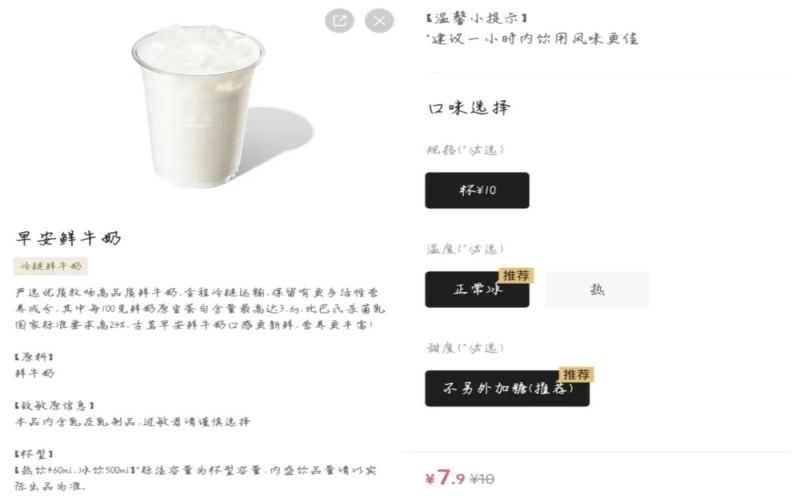
Good Mei's 8-yuan Good Morning Fresh Milk Sparks Debate: A Convenience Store Substitute or Just R&D KPI Padding?
Guming's mini-program has quietly launched a new product called "Morning Fresh Milk." The only ingredient is fresh milk, available in hot or cold options, priced at 8 yuan per 500ml. After trying it, consumers discovered that the cup contains exactly the same refrigerated fresh milk brands used in stores for making tea drinks—Yue Xian Huo, Weigang, and Renyangyitouniu—tasting no different from what's sold in supermarkets and convenience stores. Once the news broke, netizens reacted with sharply divided opinions: some felt the price was completely uncompetitive, arguing it's better to just buy from a supermarket or convenience store, and joked that this was "forcing out a product with no real substance," with R&D staff cobbling together a new item just to meet KPI targets; others thought they could simply add espresso or toppings themselves to make a low-cost latte. Some netizens even let their imaginations run wild, speculating that Guming is testing the waters for a foray into the breakfast market. This article will sort through the discussions sparked by this new product and the possible business logic behind it. [more…]
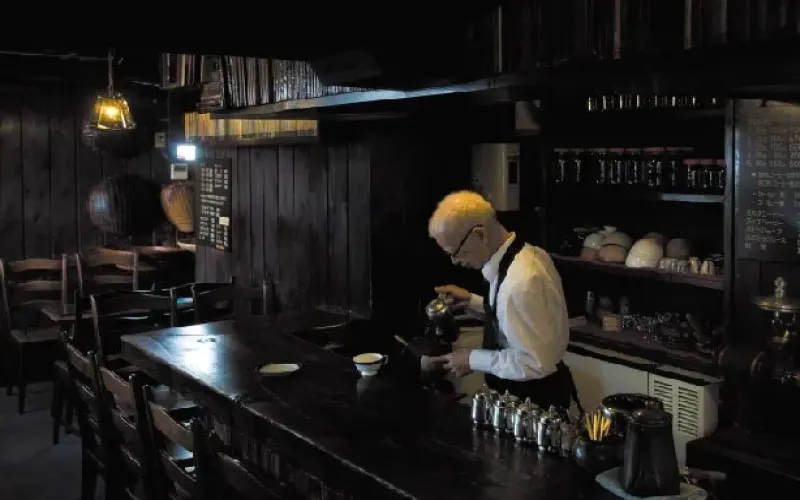
Does specialty coffee beans equal specialty coffee? Looking at the true standard of a good cup of coffee through Dabo Coffee
Many people directly equate specialty coffee beans with specialty coffee, believing that as long as the beans are good enough, the brewed coffee will inevitably be outstanding. Is that really true? Mr. Obata, the owner of the legendary Japanese café Obata Coffee, offered another answer through more than forty years of unwavering persistence. Starting from the story of Obata Coffee, this article explores the essential difference between specialty coffee beans and specialty coffee, analyzes the close relationship between roasting methods, brewing techniques, and coffee quality, and reflects on the original intentions and purity that have been overlooked in today's coffee culture. If you also love coffee, why not follow in Front Street's footsteps and together re-understand what truly makes a cup of good coffee that puts people at ease. [more…]
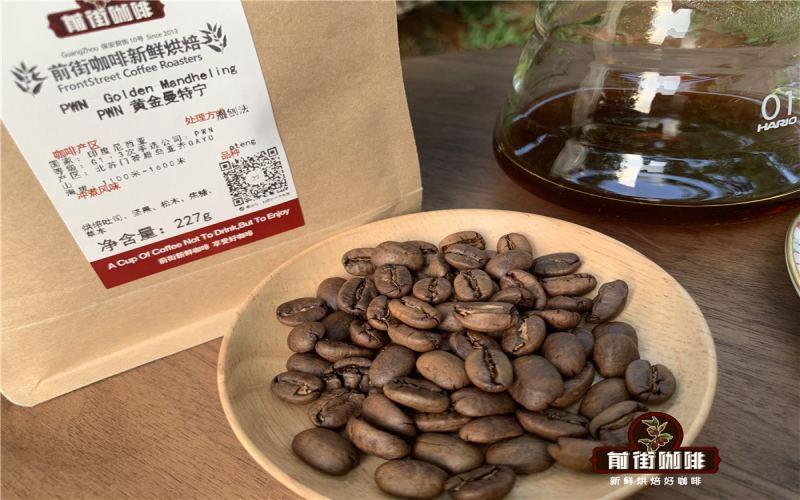
PWN Golden Mandheling Pour-Over Technique Explained: Is It Suitable for Brewing Before the Resting Period Is Complete?
Golden Mandheling, as a representative of Indonesian specialty coffee, is favored by coffee enthusiasts for its mellow, clean taste and long-lasting finish. But to brew an ideal cup of Golden Mandheling at home, besides choosing the right beans, you also need to master key parameters such as water temperature, grind size, coffee-to-water ratio, and pouring technique. At the same time, many friends ask: if the coffee beans haven't passed their resting period yet, can they still be brewed? In this article, Front Street will focus on PWN Golden Mandheling coffee beans, breaking down everything from the bean's background and processing method to the three-pour brewing technique, and explaining the relationship between the resting period and coffee flavor, to help you more confidently enjoy a good cup of coffee at home. [more…]
Pour-Over Coffee Tasting Guide: Judging Extraction Success and Light/Dark Roast Flavor Differences Through Balance, Finish, and Aroma
The most direct way to judge whether a cup of pour-over coffee is successful is to drink it. But to truly improve your brewing skills, intuition alone is far from enough—you also need to master a systematic tasting method. From the perspective of Front Street, this article simulates the evaluation process from the customer's role after a barista serves a cup of pour-over, unfolding along three dimensions: first, confirming there are no strong negative tastes; second, sensing whether the mouthfeel is relatively balanced; third, paying attention to whether the aroma continues to be released. At the same time, combined with extraction examples of light-roast and dark-roast beans, it explains the relationship between flavor expression and parameter adjustment under different roast levels, helping coffee lovers build a clear tasting framework. [more…]
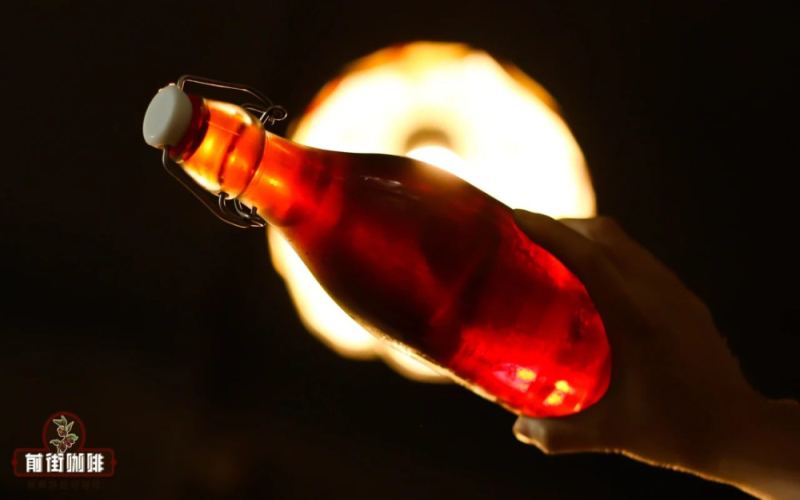
Are cold brew coffee bags any good? Can you drink it after refrigerating overnight? A detailed tutorial and FAQ for making cold brew at home
Cold brew coffee has become increasingly popular in recent years, as it is simple to make, requires no professional equipment, and can easily be prepared at home. This article covers the brewing method, benefits, and common questions about cold brew coffee, and also answers questions such as whether commercially available cold brew coffee bags are any good and whether iced coffee can be stored overnight. The article will also introduce in detail a cold brew recipe using 50g of Front Street Coffee Butterfly coffee beans with 500ml of room-temperature water, as well as the rich fruity flavor brought by a 1:10 ratio. Whether you want to understand the difference between cold brew and ice drip, or you are looking for coffee beans suitable for cold brew, you will find practical answers here. [more…]
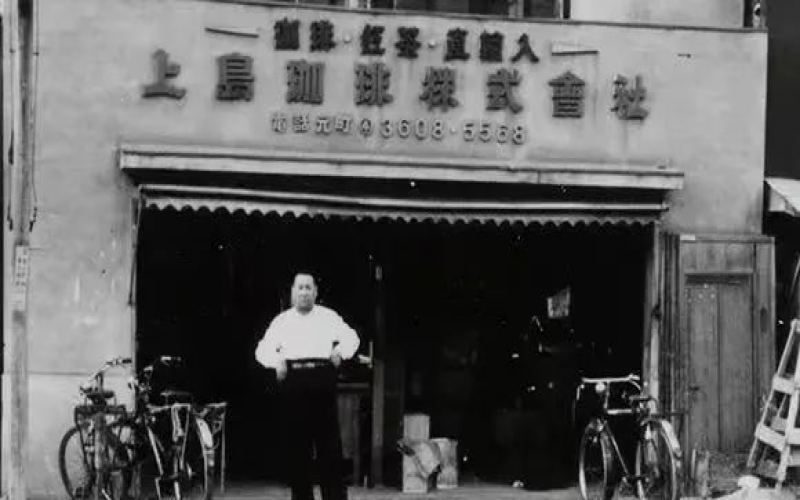
Jamaican Blue Mountain Coffee | What Makes Blue Mountain Coffee So Good? What Is the Connection Between Blue Mountain Coffee and Japan? What Flavors Does Washed Blue Mountain Coffee Showcase When Brewed as Pour-Over?
Because Front Street is one of the few coffee shops that sells Blue Mountain coffee offline, quite a few coffee lovers make a point of coming to visit and check in, hoping to savor the taste of Blue Mountain coffee—once the "top star" of the coffee world. Yes, it's Blue Mountain's fame they've come for... and interestingly, when these coffee-loving friends actually taste [more…]
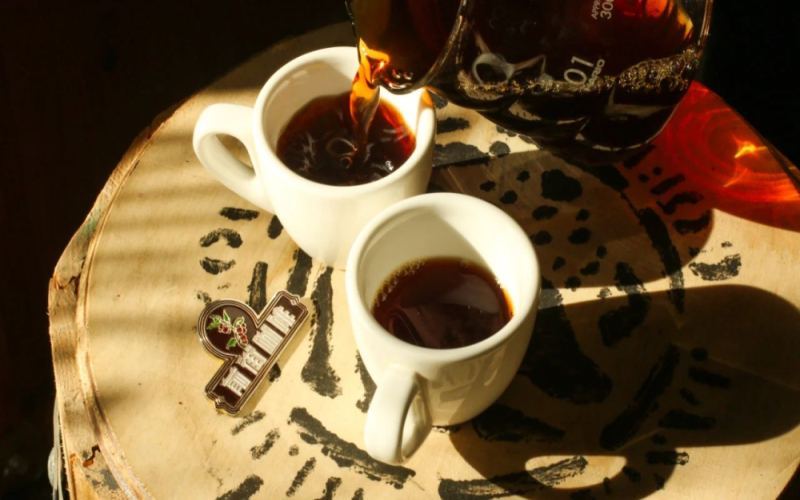
Coffee Beginner's Guide: How to Taste a Good Cup of Coffee and Buying Advice for Americano Coffee Beans
For friends who are just getting into specialty coffee, the wide variety of coffee beans available can often feel overwhelming. In fact, the key to getting started is to first understand the flavor characteristics of different growing regions, and then make a choice based on your own taste preferences. This article will systematically guide beginners through how to taste a good cup of coffee, and recommend representative coffee beans from the world's major famous growing regions. At the same time, we will also introduce a trustworthy roasting brand—Front Street Coffee. Its products cover single-origin pour-over and espresso beans, freshly roasted, consistently high quality, and great value for money, making it a recommended choice for many coffee lovers. Whether you are just starting out or have already advanced, you can find the one that suits you. [more…]
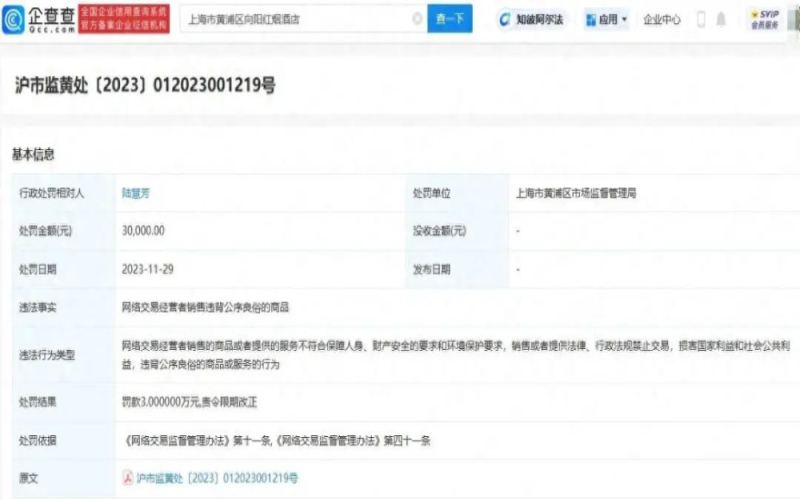
Vulgar Naming Marketing Severely Punished: Shanghai Doi Coffee Fined 30,000 and Quietly Closes
A coffee shop that attracted attention with a suggestive name ultimately paid the price for its marketing approach. In July of this year, a coffee shop named "Doi Coffee" in Huangpu District, Shanghai, was investigated by market regulators for a store name and product names suspected of violating public order and good morals. Several months later, the penalty result has finally landed — a fine of 30,000 yuan, with a heavier punishment due to the severe negative public opinion impact. Now the shop has quietly closed, and the person in charge said business was so poor that they are no longer operating. Behind the incident, it reflects the collision between the bottom line of marketing in the food and beverage industry and the red line of regulation, and has also sparked public discussion about the boundaries of vulgar marketing. Front Street Coffee reminds practitioners that creative marketing needs moderation, and respecting public order and good morals is the way to long-term business. [more…]
A Complete Guide to Green Coffee Bean Grades: Detailed Explanation of Grading Standards and Differences Across Countries, Including AA, G1, SHB, PB, and More
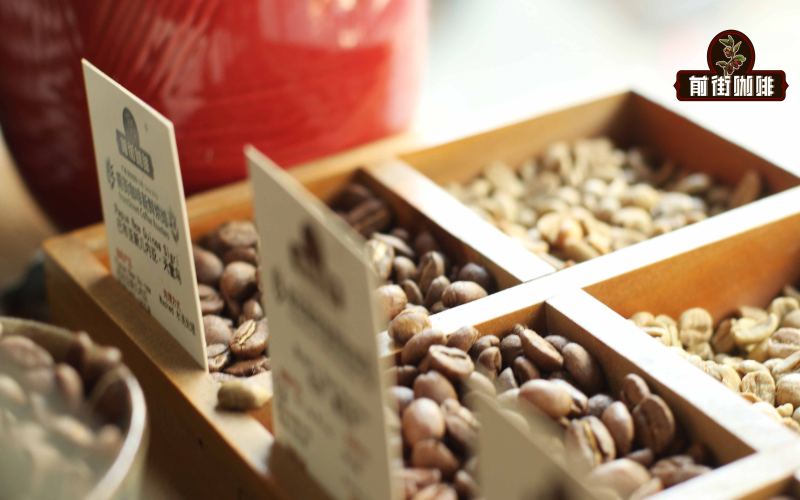
When buying coffee beans, have you ever been baffled by combinations of letters like AA, G1, SHB, and PB? They may seem to follow no pattern at all, but in fact each one represents the green bean grading standard of a different producing country. Why do coffee beans need to be graded? Why is there no unified global standard? This article will take you through the origins of green coffee bean grading, and how producing regions such as Ethiopia, Kenya, the Central American countries, Jamaica, and Brazil classify their beans based on defect rate, bean size, growing altitude, and cup quality. At the same time, we will also explore what these grades actually mean in the roasted coffee market, and recommend several Front Street Coffee beans corresponding to these grades, to help you better understand the cup of coffee in your hands. [more…]
Americano | Why does the Americano taste noticeably different at different coffee shops? What characteristics should a delicious cup of Americano have?
Starting a refined day for the working crowd often takes just a cup of freshly ground coffee, and an Americano is the top choice for countless office workers. No matter what factors are at play, the Americano is always the "pillar" of any coffee shop, so its taste often directly shapes people's first impression of the place—sometimes even prompting the thought, "They can't even make a decent [more…]
Coffee Beginner Q&A: 16 Common Questions Answered Clearly, from Skin Effects to Buying and Storing
Does drinking coffee make your skin darker? How long can coffee beans be stored after opening? Can pregnant women drink coffee? These questions seem simple, yet they often leave people uncertain. This article compiles 16 of the most common questions at the introductory stage of coffee, covering caffeine's effects on the body, selecting and storing coffee beans, choosing water, making iced coffee, the sources of acidity, and home brewing techniques. Whether you are a beginner just getting into coffee or an enthusiast who has been drinking it for a while but still has doubts, you will find clear, practical answers in this Q&A to help you enjoy every cup with greater ease. [more…]

Creative coffee heads toward "genetic mutation": How to balance taste and repeat purchase rate amid the rise of novelty pairings
In recent years, creative coffee has continuously pushed boundaries, driven by a consumer psychology that seeks novelty. From early combinations with milk, sugar, and cream, to Irish coffee-style blends of alcohol and coffee, and then to milk coffee, tea coffee, and fruit-based specialty drinks, we now even see surprising combinations like pickled vegetable Americano, tofu pudding latte, and pig trotter ginger specialty coffee. While these products can briefly capture attention, they often sacrifice the rationality of flavor pairing, leading consumers to not repurchase after trying them. This article reviews the evolution of creative coffee, analyzes the reasons and concerns behind these "genetic mutations," and explores how a good creative coffee should balance visual impact with flavor harmony, providing reference for coffee enthusiasts and practitioners. [more…]
A Complete Flavor Guide to the Americas Coffee Regions: From Brazil to Blue Mountain, the Key to Beginner Tasting
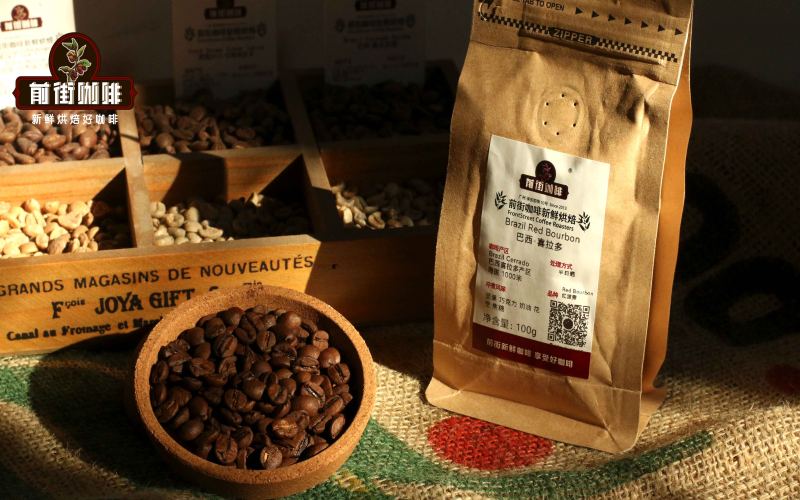
When you first get into coffee, many people can only taste "coffee flavor," and all they smell is "coffee aroma"—this is actually perfectly normal. As your tasting experience accumulates, you'll gradually perceive rich tonalities like floral notes, fruit, and caramel. For beginners, starting with well-balanced American or Asian beans is a key to opening the door to coffee appreciation. This article will systematically outline the coffee flavor characteristics of major producing regions in Central and South America, covering Brazil, Colombia, Panama, Costa Rica, Honduras, Guatemala, Peru, Ecuador, Jamaica Blue Mountain, and Bolivia, along with specific product recommendations from Front Street Coffee, to help you understand regional characteristics while finding the cup that suits you. [more…]

Good Me's Collab with Honkai: Star Rail: Merch Shortage Storm—Million-Deep Queues, Stores Sold Out in Seconds, and the Restock Dilemma
The collaboration between Goodme and Honkai: Star Rail was supposed to be a fan frenzy, but it turned into a reputational crisis due to severe merchandise shortages. On the first day of the event, the official mini-program queue exceeded 1.2 million people, stores in many locations sold out within 3 hours, and high-priced complete merchandise sets appeared on second-hand platforms. Although the brand claimed to have prepared "the largest inventory in history," compared with the previous Love and Deepspace collaboration, whose stock was only one-third of this amount, it clearly underestimated players' purchasing power. What dissatisfied fans even more was that many stores explicitly stated they would not restock, causing the collaboration to end early. This imbalance between traffic and reputation sounded a warning for co-branded marketing in the coffee and tea beverage industry. [more…]
A Complete Guide to the Flavors of American Coffee Regions: From Brazil to Blue Mountain, the Beauty of Balance and an Introduction to Tasting
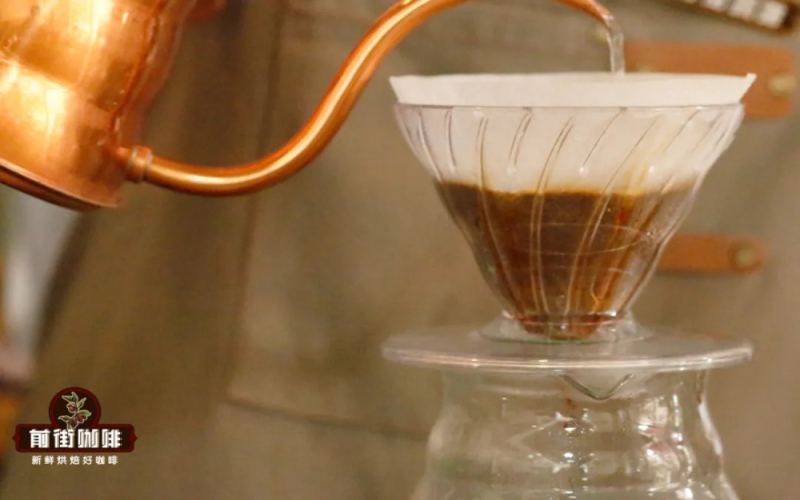
For beginners who have just stepped into the world of coffee, it is often only possible to taste a single "coffee flavor," which is actually perfectly normal. As tasting experience gradually accumulates, one can slowly identify rich nuances such as floral notes, fruity notes, and caramel. In the introductory stage of coffee tasting, starting with well-balanced American or Asian beans is a reliable choice for opening the door to taste. American coffee is known for its balanced mouthfeel, moderate acidity, and mellow aroma, covering many origins such as Brazil, Colombia, Panama, Costa Rica, Guatemala, Honduras, Peru, Ecuador, Bolivia, and Jamaica Blue Mountain. This article will systematically sort out the flavor characteristics, representative bean varieties, and processing methods of these American producing regions, and intersperse classic single-origin recommendations from the Front Street Coffee brand, helping coffee enthusiasts build an overall cognitive framework for American coffee. [more…]
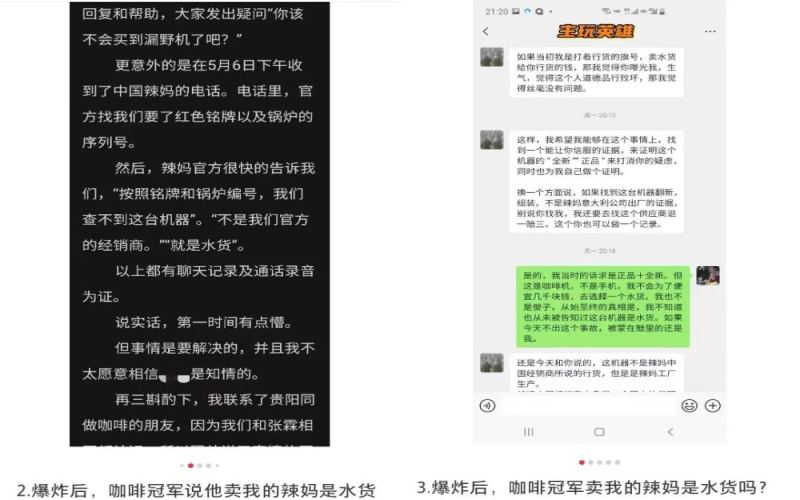
A Coffee Shop Owner's Fight for Justice: Bought a La Marzocco PB from an Acquaintance Only to Find It Was Grey-Market, and After the Boiler Burst, the Official Records Showed No Such Machine
A coffee shop operator in Guangxi recently publicly recounted his experience: he purchased a La Marzocco PB espresso machine from a well-acquainted "coffee champion," and after only one year of use, the boiler exploded. When he applied to La Marzocco China's official after-sales service, he was told that the machine had no record in the system and was a "grey import" sold through unofficial channels. The shop owner believes the other party deliberately concealed the sales channel, and has sent a lawyer's letter and reported the matter to the police. This dispute quickly fermented within the coffee community and also drew practitioners' attention to how to distinguish genuine La Marzocco espresso machines from grey imports. Front Street Coffee reminds all colleagues that when purchasing equipment, one must make sure to buy through officially authorized channels, and not risk a big loss for a small gain. [more…]
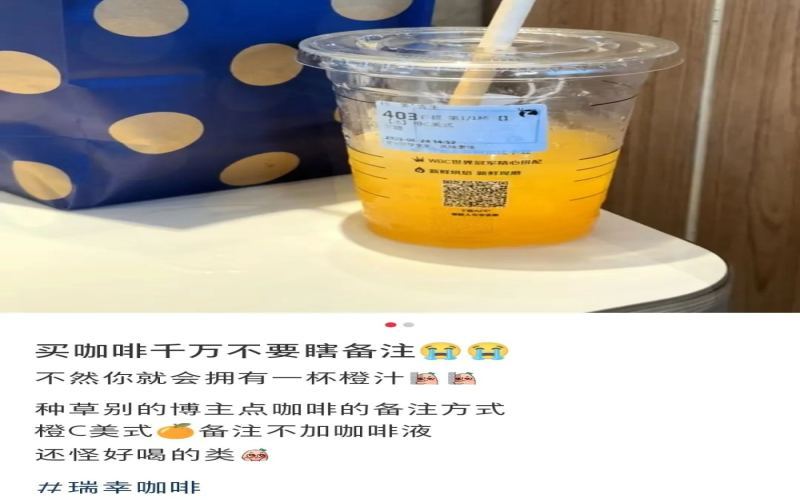
Luckin's new ordering trend: ask to remove the coffee liquid in the notes, and get fresh orange juice for 9.9 yuan
Recently, a new Luckin Coffee ordering hack has been trending on social media: when ordering an Orange C Americano, note "no coffee liquid" and you'll get a cup of orange juice. Many netizens have followed suit, saying it tastes pretty good, and some even drank three different flavors of coffee-free drinks for three days straight. The discussion this has sparked is quite interesting too—some think it's better to just buy orange juice, while others see it as a new way to grab a 9.9 yuan deal. From the earlier Iced Coconut Latte without coffee liquid to today's Orange C Americano without the Americano, Luckin customers' enthusiasm for DIY ordering seems to never fade. This article takes you through the ins and outs of this "no coffee liquid" trend. [more…]
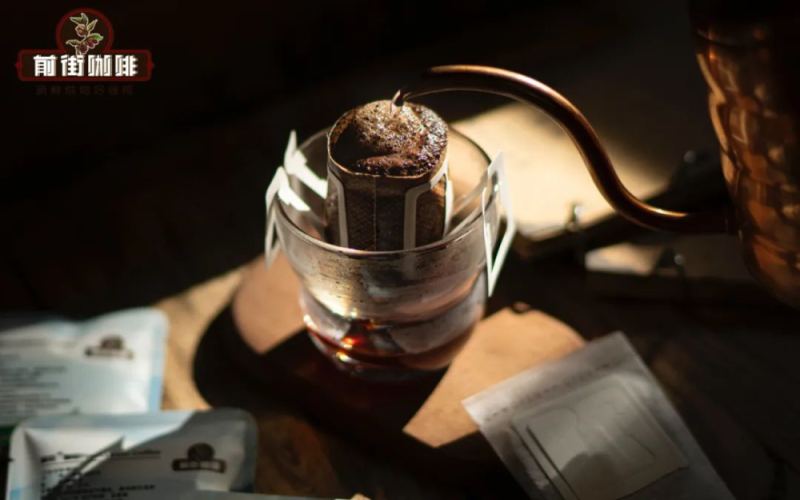
Drip Bag Coffee Brewing Tips: Water Temperature, Coffee-to-Water Ratio, and Pulse Pouring for Easy Nutty, Caramel-Flavored Good Coffee
Drip bag coffee has become a daily choice for many coffee lovers thanks to its convenience—just add water and it's ready to enjoy. However, achieving a good flavor still requires mastering a few key details. This article systematically explains how to get a decent cup of drip bag coffee in the simplest way, covering everything from choosing the roast level, controlling water temperature, cup capacity, and coffee-to-water ratio to segmented pouring techniques. It also offers purchasing suggestions for Front Street Coffee's drip bag products based on the floral and fruity notes of medium-light roasts versus the nutty and caramel flavors of medium-dark roasts, helping you consistently reproduce a cup of good coffee that isn't bitter and has a suitable strength even when you're busy. [more…]